
electronics · Articles
Camera Lenses: What the Numbers Mean
Camera Lenses: What the Numbers Mean
 Transact Shopping
TECH · GLOBAL
Camera Lenses: What the Numbers Mean
Focal length and aperture, primes and zooms, mounts and manual focus
Lenses change photographs more than camera bodies do, and the specifications on the barrel tell you exactly what a lens is for.
Focal length
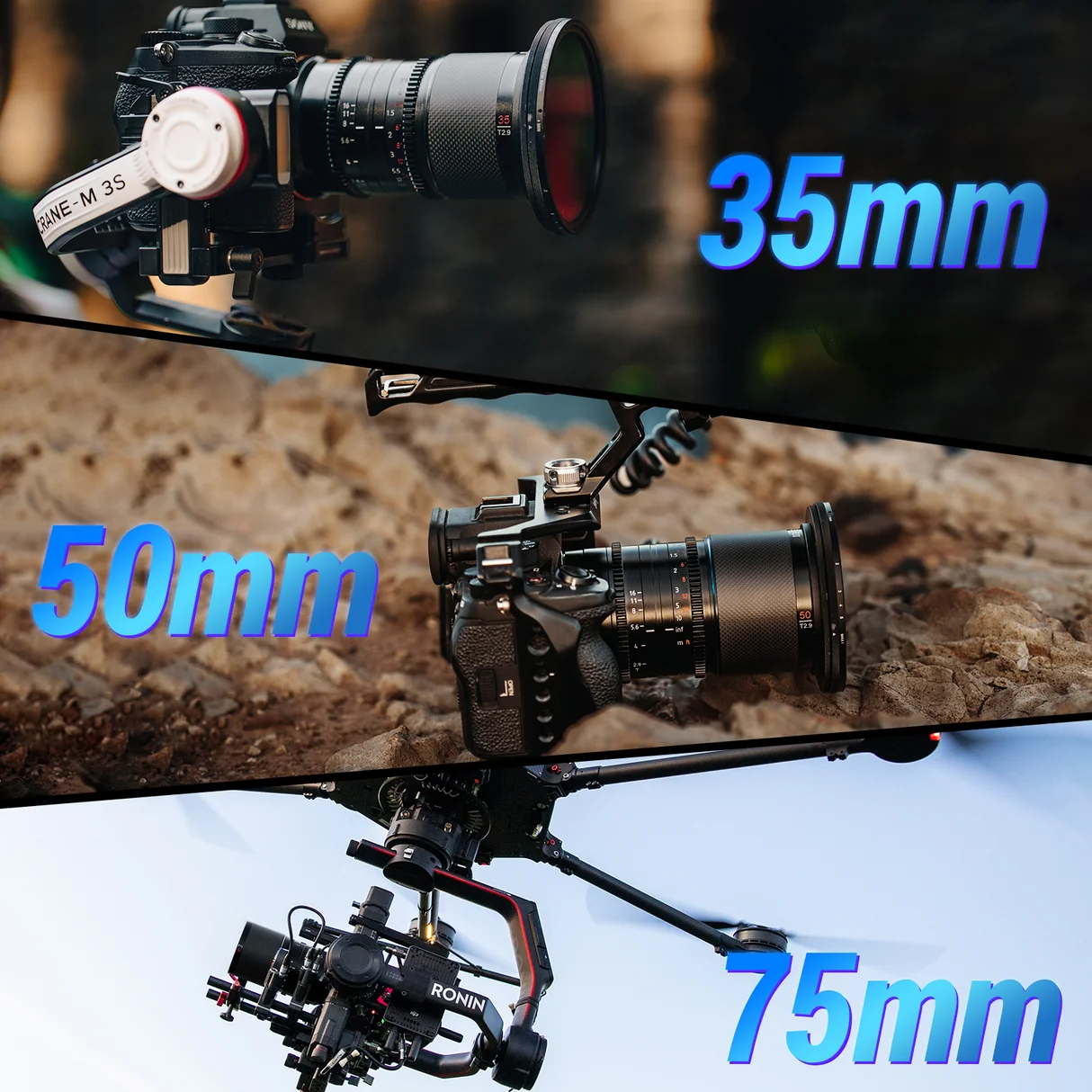
Measured in millimetres. Wide angles below about 35mm take in more and exaggerate depth, which suits landscapes and interiors. Around 50mm is close to natural perspective. Above 85mm compresses the scene and flatters faces, which is why portraits are shot there.
Focal length behaves differently on smaller sensors — a crop factor of 1.5 makes a 35mm lens behave like roughly 50mm.
Aperture
The f-number describes how much light the lens passes. A lower number such as f1.8 gathers more light and gives a shallower depth of field, which is the blurred background people buy lenses for.
A constant aperture zoom holds the same f-number throughout its range and costs considerably more than a variable one.
Primes and zooms
Primes have one focal length, are usually sharper, faster and lighter, and make you move. Zooms are flexible and heavier. Most people learn more from a single prime than from a kit zoom.
Mounts
Lenses are made for specific mounts and are not interchangeable without an adapter, which may lose autofocus or stabilisation. Check the mount and whether the lens covers your sensor size.
Manual focus lenses
Cheaper, mechanically simple and deliberate to use. Focus peaking on a modern camera makes them practical, and they suit video and still subjects far better than moving ones.
Looking after lenses
Keep caps on both ends, store somewhere dry, and use a blower and a proper cloth rather than a shirt. A silica gel sachet in a camera bag prevents the fungus that ruins lenses in humid storage.
Change lenses with the camera pointing down and the body switched off to reduce dust on the sensor.
What to buy first
One fast prime teaches more than a bag of zooms. A tripod and better light improve photographs more than another lens.
Filters and accessories
A polariser cuts reflections from water and glass and deepens skies, and cannot be replicated afterwards. Neutral density filters allow long exposures in daylight. Most other effects are better done later.
Check the filter thread diameter, which is marked on the lens, and buy step-up rings rather than a filter per lens.
Check the lens has a warranty and that the mount matches your body exactly.
Rent a lens for a weekend before buying anything expensive.
Buying
Used lenses hold value and outlast bodies. Check the glass for fungus and scratches and the aperture blades for oil.
Filters and a hood protect the front element.
WHERE TO BUY
Ready to shop SIRUI? Use the link below to visit the official store.
→ Shop SIRUI — official site
Visit this site