
Olympus/OM System GB · Articles
Why a Smaller Camera Is Usually the Better Camera
Why a Smaller Camera Is Usually the Better Camera
PHOTOGRAPHY · GLOBAL
Why a Smaller Camera Is Usually the Better Camera
OM System's case against full-frame, and when it actually holds
The most common photography mistake is buying a camera too large to carry. Full-frame bodies with fast lenses produce better images in controlled conditions and stay at home on the days you would have used them. OM System, formerly Olympus, has built its whole identity on the opposite argument: a camera you actually have with you takes better photographs than a better camera you left behind.
What Micro Four Thirds gives you
The sensor is smaller than full-frame, which is the trade-off everybody leads with. What that buys you is a system roughly half the size and weight at every point — body, lenses, bag, everything. A full kit with three lenses fits in a space that a single full-frame zoom would fill.
It also enables stabilisation that borders on unreasonable. The in-body stabilisation on recent OM bodies allows handheld exposures of several seconds, which means night shots, waterfalls and low-light interiors without a tripod. That is not a marginal convenience; it removes an entire category of equipment from your bag.
Weather sealing that means something
Most manufacturers claim weather resistance. OM System publishes an IP rating, which is a testable standard rather than a marketing adjective. In practice this means shooting in rain without anxiety, which matters enormously for landscape, hiking and travel photography where the best light frequently arrives with the worst weather.
Where it falls short
In very low light without stabilisation helping — fast-moving subjects indoors, for instance — the smaller sensor shows its limits against full-frame. Shallow depth of field is harder to achieve, so portrait photographers wanting heavily blurred backgrounds will work harder for it. These are real limitations, not marketing objections.
The lens ecosystem is the real asset
Micro Four Thirds is an open standard shared with Panasonic, which means decades of lenses from two manufacturers plus several third parties all fit the same mount. That is an unusually deep catalogue for a smaller system, and it keeps used prices reasonable.
Buying used glass is particularly sensible here. Lenses have no sensor to become outdated and few moving parts to wear out, so a ten-year-old prime in good condition performs exactly as it did new, frequently at half the price.
Who it suits
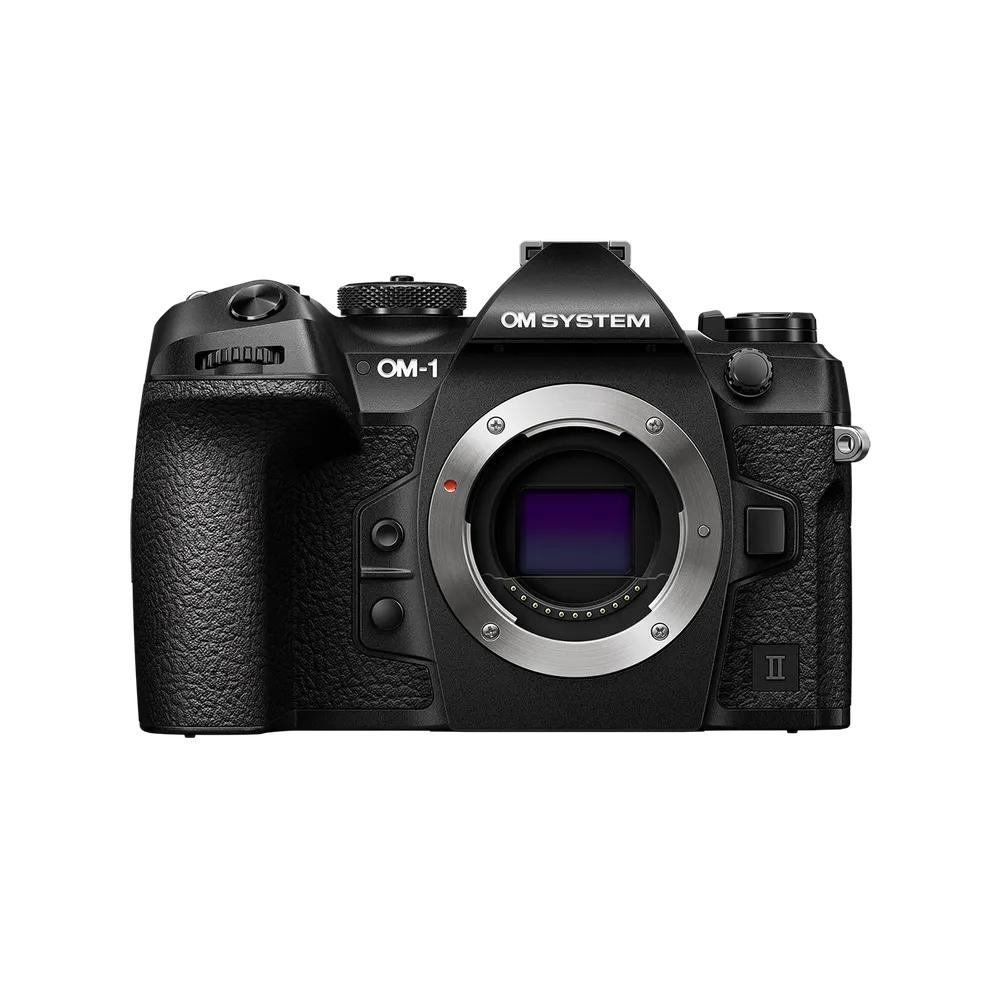
Travellers, hikers, wildlife photographers who benefit from the effective focal length multiplier, and anyone who has previously bought a large camera and quietly stopped carrying it. The OM-5 Mark II is the natural entry point: small enough for a jacket pocket with a pancake lens, sealed enough for genuine weather, and stabilised enough to work handheld at night.
Buy the body modestly and spend on glass. Lenses outlast bodies by a decade and contribute more to the final image than any sensor upgrade will.
WHERE TO BUY
Ready to shop OM System? Use the link below to visit the official store.
→ Shop OM System — official site
Visit this site
Visit store