clothing · Articles
Buying Hoodies and Streetwear That Hold Up
Buying Hoodies and Streetwear That Hold Up
 Transact Shopping
FASHION · GLOBAL
Buying Hoodies and Streetwear That Hold Up
Fabric weight, construction, fit and washing to protect prints
Hoodies are worn constantly and bought cheaply, which is why most look tired within a season. What separates one that lasts is the fabric weight and the ribbing, both of which are stated or visible.
Fabric weight
The gsm figure on the label does most of the explaining. Around 280 to 320 is a standard hoodie. Above 400 is a genuinely heavy garment with structure that outlasts several lighter ones.
Lighter fabric is cheaper and cooler and loses shape fastest, which is the usual complaint about inexpensive hoodies.
Loopback and brushed fleece
In loopback, the inner loops of the knit are left uncut, so air moves through it and it relaxes over time. Brushing those loops makes a warmer surface that goes bobbly sooner.
One lasts longer, the other is warmer in January — that is the whole trade.
Ribbing is where hoodies fail
Cuffs, hem and the hood opening need enough elastane to recover their shape. A collapsed cuff or a stretched hem makes a hoodie look old long before the fabric wears.
Check the hood has enough panels and a proper drawcord with metal eyelets rather than punched holes.
Fit
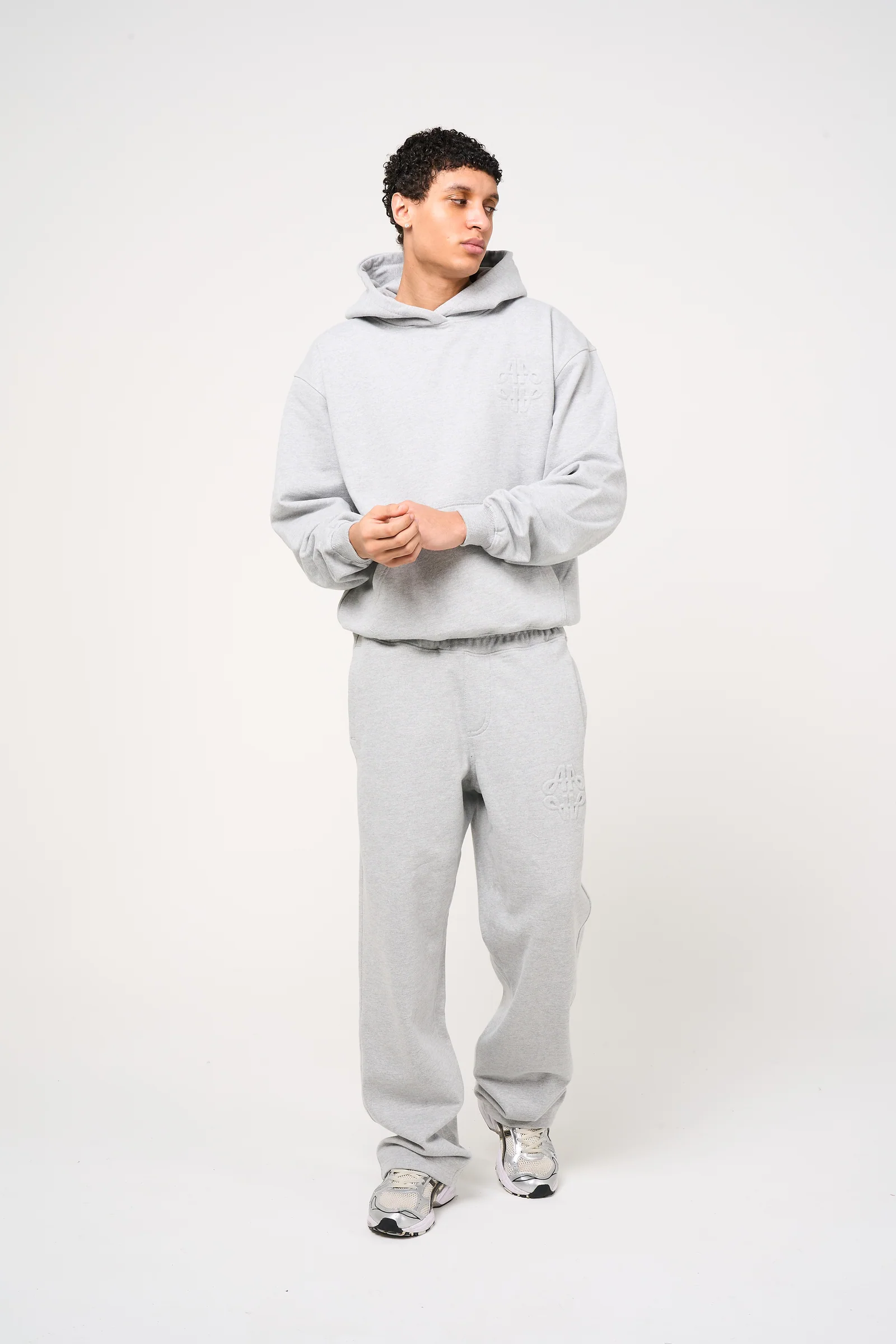
Shoulder seams at the edge of the shoulder for a classic fit, or deliberately dropped for an oversized cut. The distinction between intentionally oversized and simply too big is where that seam sits.
Check the body length, since a hoodie that is too short rides up constantly.
Prints
Screen printing lasts longest; direct-to-garment handles complex artwork and fades sooner. Embroidery outlasts both and suits simpler logos.
Sizing
Check the garment measurements laid flat rather than the size letter, since oversized and regular cuts vary enormously between brands. Expect a small amount of shrinkage the first time through, pre-shrunk or not.
If you are between sizes and plan to tumble dry, size up.
Buying fewer, better
Two good hoodies in rotation outlast five cheap ones and cost less over a couple of years. If a piece fits, get another one, because makers revise their blocks without saying so.
Prints and licensing
Printed garments need the right to use the artwork, which matters if you are buying from a small seller. Licensed designs should be official rather than a copy.
Anything printed goes in inside out on a cold cycle and then onto a hanger, since tumble heat is what splits the ink. Never put an iron straight onto a print; work from the back of the garment or lay a cloth over it.
Washing
Cold, inside out, and air dry. Heat shrinks cotton, degrades the elastane in ribbing and cracks prints — the tumble dryer does more damage than wearing ever does.
Use a fabric shaver on pilling rather than discarding the garment.
WHERE TO BUY
Ready to shop Amicci? Use the link below to visit the official store.
→ Shop Amicci — official site
Visit this site