
beauty · Articles
Plant Oils in Skincare: What They Do
Plant Oils in Skincare: What They Do
 Transact Shopping
BEAUTY · UNITED STATES
Plant Oils in Skincare: What They Do
Rosehip, squalane and the rest, comedogenicity, storage and realistic claims
Facial oils are widely used and widely misunderstood. They are emollients — they smooth and soften and help seal moisture in — rather than moisturisers in the sense of adding water.
Oil does not hydrate
Hydration means water in the skin. Oils contain no water, so they work by slowing water loss and by filling the gaps between surface cells.
That is why an oil works best applied over a damp face or over a water-based product rather than onto dry skin alone.
Rosehip
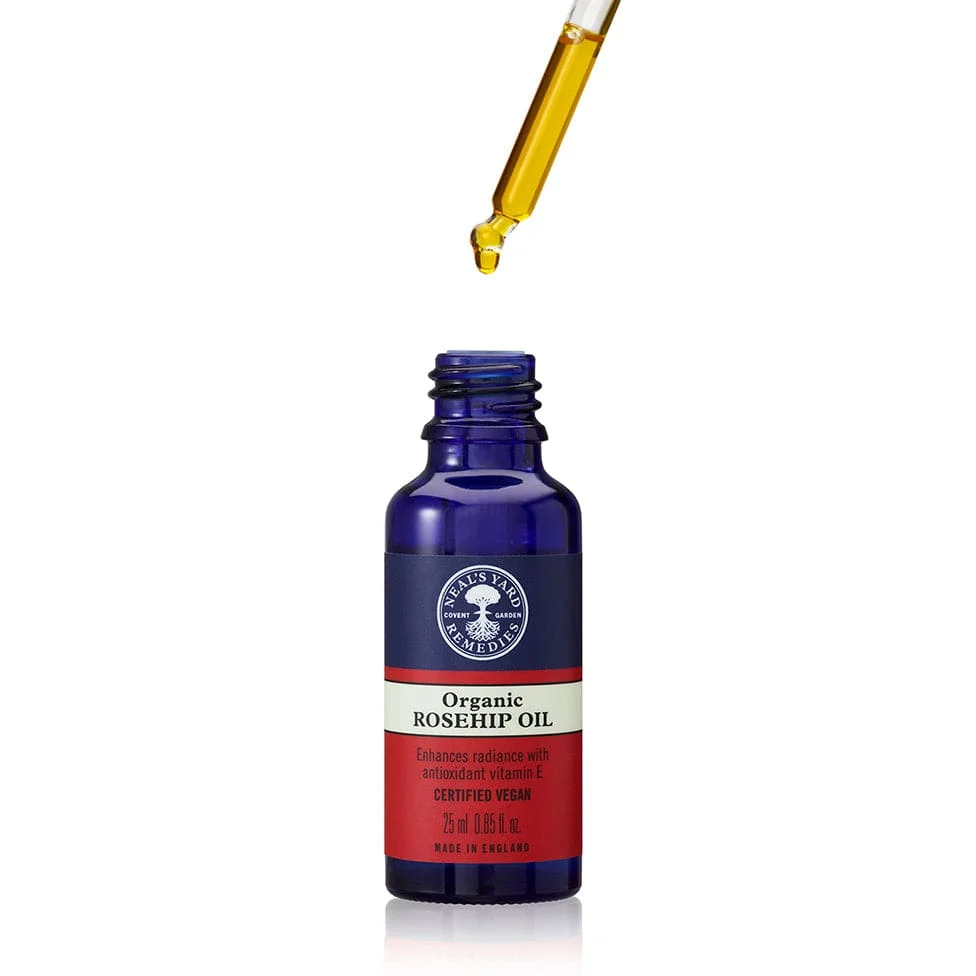
Rosehip oil contains naturally occurring vitamin A compounds and linoleic acid, and it has modest evidence for scarring and skin texture. It oxidises quickly, which is why it is sold in dark glass and should be refrigerated once opened.
It is not equivalent to a prescription retinoid, and marketing that implies otherwise is overreaching.
Which oils suit which skin
Lighter oils such as squalane, jojoba and rosehip sit well on most skin. Heavier oils including coconut are more likely to block pores on acne-prone faces.
Comedogenicity ratings are based on old and limited testing, so treat them as a rough guide rather than a rule.
Fragrance and essential oils
Essential oils are among the most common causes of contact allergy in cosmetics, and natural does not mean gentle. If your skin is reactive, fragrance-free is the more useful label than natural.
Citrus oils increase sun sensitivity and are better used at night.
Storage and shelf life
Plant oils go rancid. Keep them cool, dark and sealed, and discard anything smelling sharp or crayon-like.
Where oils fit alongside actives
Oils sit over water-based serums rather than under them, since nothing water-based penetrates an oil layer. Apply thinnest to thickest.
Oils are not a substitute for sunscreen, retinoids or anything else with specific clinical evidence behind it.
Buying sensibly
Buy small bottles of anything that oxidises, since a large one will go rancid long before it is finished. Check the open-jar symbol on the packaging for how many months a product lasts once it has been opened.
What has the strongest evidence
Daily broad-spectrum sunscreen by a wide margin, then retinoids, then vitamin C and niacinamide. Everything else is an addition to those rather than a replacement for them.
Introduce one product every four weeks and give anything eight to twelve weeks before judging it, since skin cell turnover takes roughly that length of time to complete.
Where oils fit
Last in a routine in the evening, after anything water-based. In the morning, sunscreen goes on last and nothing over it.
Patch test anything new on the inner forearm for several days.
WHERE TO BUY
Ready to shop Neal's Yard Remedies? Use the link below to visit the official store.
→ Shop Neal's Yard Remedies — official site
Visit this site