
home · Articles
Mattress Protectors and Bedding for Allergies
Mattress Protectors and Bedding for Allergies
 Transact Shopping
HOME · UNITED STATES
Mattress Protectors and Bedding for Allergies
What protectors do, dust mites, washing temperatures and what does not help
Bedding accumulates skin cells, moisture and dust mites, and a few practical measures make a measurable difference for anyone allergic.
What a protector does
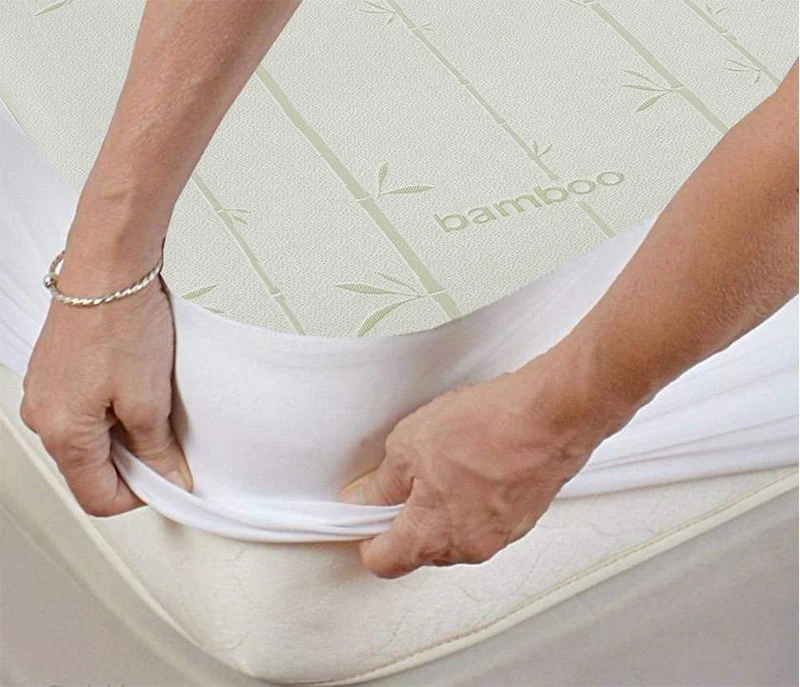
A mattress protector keeps sweat, spills and skin cells out of a mattress that cannot be washed, which extends its life and keeps it hygienic. Most warranties are void if a mattress is stained.
Choose a breathable one — a plastic-backed cover traps heat and moisture, which makes sleep worse and encourages mould underneath.
Dust mites
Mites feed on skin cells and thrive in warm humid bedding. They are a common allergy trigger and cannot be eliminated, only reduced.
Encasements with a tight weave on the mattress, pillows and duvet are the measure with the best evidence, and they need to fully enclose rather than fit like a sheet.
Washing
Sheets weekly and pillow protectors regularly. Sixty degrees is the temperature that kills mites; lower temperatures wash the allergen away if the item is rinsed thoroughly.
Dry everything fully, since damp bedding is the problem you are trying to remove.
What does not help much
Airing a mattress in sunlight, sprays sold to kill mites, and replacing feather bedding for synthetic, which evidence does not support as a straightforward improvement.
Pillows and duvets
Most pillows last one to three years. Fold one in half — if it stays folded rather than springing back, it is finished. Duvets last longer and still accumulate dust and moisture.
Check the care label before washing either, and dry completely, since a damp filling grows mould inside where you cannot see it.
Buying protectors
Check the depth against your mattress, whether it is machine washable at sixty degrees, and whether it is breathable. A protector that makes you sweat will not be used.
Sheets and comfort
Weave matters more than thread count — percale is crisp and cool, sateen is smooth and warmer. Very high thread counts are frequently achieved with multi-ply yarn and mean little.
Linen is cool, breathable and softens with washing, and it creases, which is the whole objection to it.
Washing bedding
Weekly for sheets and pillowcases, and at sixty degrees periodically for anyone with allergies. Dry fully before putting it away.
Buying
Measure the mattress depth before ordering fitted sheets, since deep mattresses with toppers need extra-deep sheets. Check whether sizes are UK, EU or US, which differ.
Two sets per bed makes changing straightforward.
The room
Ventilate, keep humidity moderate, vacuum with a filtered cleaner, and reduce soft furnishings in a bedroom where allergy is severe.
See a doctor about persistent symptoms, since treatment works.
WHERE TO BUY
Ready to shop Egyptian Linens? Use the link below to visit the official store.
→ Shop Egyptian Linens — official site
Visit this site